Buying Guide: What to Look for in Patient Extraction Equipment
Key factors departments should evaluate when buying patient extraction equipment, from materials and stitching to patient security and field ergonomics.
Start with the mission
Patient extraction equipment has to work when the scene is difficult, the crew is tired, and conditions are moving fast. A good buying decision starts with the actual environments your department faces: stairwells, tight homes, industrial spaces, trails, and multi-patient incidents.
Evaluate construction quality
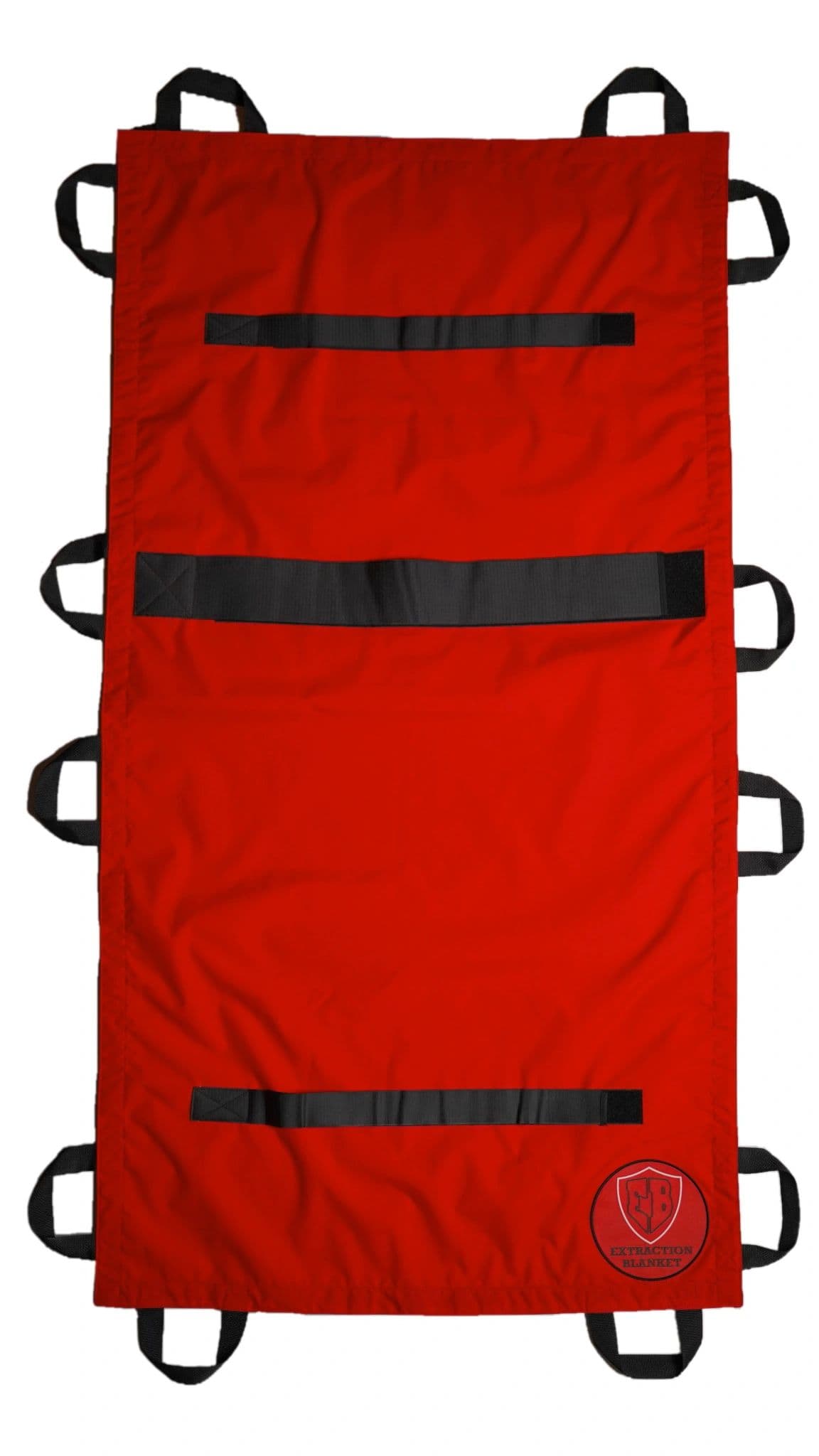
Look for reinforced stitching, durable fabric, strong webbing, and handle placement that supports multiple responder positions. The equipment should feel purpose-built, not improvised.
Patient security matters
A blanket that moves quickly but does not secure the patient well can create new problems. Straps, containment, and predictable positioning all matter during a move.
Think about responder strain
The best rescue equipment protects the patient and the crew. Ergonomic handle placement and flexible movement options can reduce awkward lifts and help departments limit preventable injuries.
Ask about support
Departments should also evaluate warranty, replacement support, purchase order options, and whether the company understands fire and EMS workflows. Equipment is only part of the relationship.